
Primary Versus Secondary Mitral Regurgitation and Their Different Treatment Paths
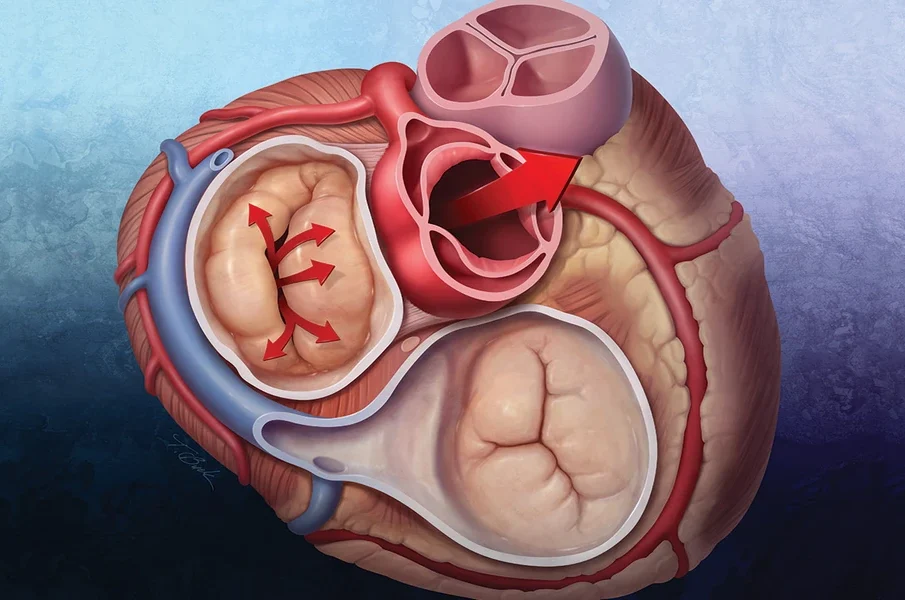
Not every leaking heart valve leaks for the same reason. Sometimes the flaps themselves are damaged, while other times the heart muscle around them has stretched. Doctors call these two patterns primary and secondary regurgitation. The difference matters because each type responds to different care. Options range from medicines and open repair to TEER for mitral regurgitation, a clip procedure done through a vein. Knowing which group, you fall into makes treatment discussions much clearer.
What Goes Wrong in Primary Leakage?
Primary regurgitation means the valve itself is faulty. The leaflets may bulge backward, a condition often called prolapse. Thin cords holding the flaps in place can also tear or stretch. Rheumatic fever in childhood is another because that is still seen in many countries.
Common Causes Behind Each Type of Leak
Both types share similar symptoms, yet their roots are quite different. Here are the causes doctors see most often.
- Floppy valve flaps that bulge backward with each heartbeat.
- Torn support cords that leave one leaflet flapping loosely.
- Scarring from rheumatic fever that stiffens the valve edges.
- Infection on the valve that damages its delicate tissue.
- A previous heart attack weakening the muscle beneath the valve.
- An enlarged left pumping chamber pulling the leaflets apart.
- Long-term atrial fibrillation stretching the ring around the valve.
- Heart failure that slowly changes the chamber’s natural shape.
How Secondary Leakage Develops Over Time
In secondary regurgitation, the valve flaps are usually healthy. The problem starts when the heart chamber becomes larger or weaker. As it stretches, the leaflets no longer meet in the middle. Treating the underlying heart problem is therefore the first priority.
Treatment Paths for Primary Regurgitation
Surgical repair is usually the preferred option when the patient is fit enough. In experienced centres, most damaged valves can be repaired rather than replaced. Patients at high surgical risk may be offered a less invasive alternative.
Medicines Come First for Secondary Leakage
Heart failure medicines are the starting point because they can help the stretched chamber recover. Some patients also benefit from a special pacemaker that coordinates the heartbeat. When symptoms continue despite these steps, doctors may consider TEER for mitral regurgitation to reduce the leak. Large studies have shown fewer hospital stays for carefully selected patients after this procedure.
Comparing the Two Types Side by Side
A quick comparison helps clarify how the two types differ. Each column reflects typical patterns, not every single case. Your own plan depends on scans, symptoms, and overall health. The table below shows the main contrasts.
| Feature | Primary Regurgitation | Secondary Regurgitation |
| Main problem | Damaged valve flaps or cords | Stretched or weakened heart muscle |
| Common causes | Prolapse, torn cords, rheumatic disease | Heart attack, heart failure, atrial fibrillation |
| First treatment | Surgical repair when possible | Heart failure medicines |
| Role of the clip procedure | For patients too high risk for surgery | When symptoms persist despite medicines |
| Typical outlook after repair | Often excellent, close to normal lifespan | Depends largely on heart muscle strength |
Mitral Leak Types FAQ for Patients
- Does secondary regurgitation mean my valve itself is badly damaged? Not usually, since the flaps are often normal but pulled apart by stretching.
- Will medicines alone ever fix a primary mitral valve leak? No, medicines ease symptoms, but damaged flaps usually need repair to improve.
- How long does recovery take after a clip procedure through a vein? Most patients go home within two days and resume light activity quickly.
- Can both types of mitral regurgitation happen at the same time? Yes, some patients have mixed causes, which makes careful testing very important.
- Is open surgery still better for younger patients with primary leaks? Usually yes, as surgical repair offers excellent long-term results when risk is low.
- How often should mild regurgitation be checked with an echocardiogram? Many doctors repeat scans every one to three years, depending on severity.
Steady Follow-Up Protects Your Health
Finding the true cause of backward blood flow shapes all later decisions. Faulty leaflets often need surgical fixing, whereas a weakened pump needs its own support first. Scans and symptoms together guide the best path for a patient. Regular checkups allow small changes to be caught before they grow serious. Steady attention over the years matters more than finding a perfect answer at once.